Living in Tianjin, China: What I Expected vs. What Actually Happened

A foreign teacher's honest breakdown of expat life expectations versus reality during his first week living in Tianjin, China.Blog post description.

Joe Nogueira

6/18/20262 min read

china-expat-expectations-vs-reality.jpgchina-expat-expectations-vs-reality.jpg

Living in Tianjin, China: What I Expected vs. What Actually Happened

My first week in Tianjin completely changed my expectations about expat life in China.

Like a lot of people before they move abroad, I arrived with a set of assumptions about what daily life here would actually be like. Some of those assumptions turned out to be right. Most of them weren't.

What I Expected Before Arriving

Before landing in Tianjin, my mental picture of daily life in China included a fairly predictable list of worries:

None of this was unreasonable to expect. It's the version of China most people hear about secondhand, through stories, stereotypes, or outdated information, before they've actually spent time on the ground.

What Actually Happened

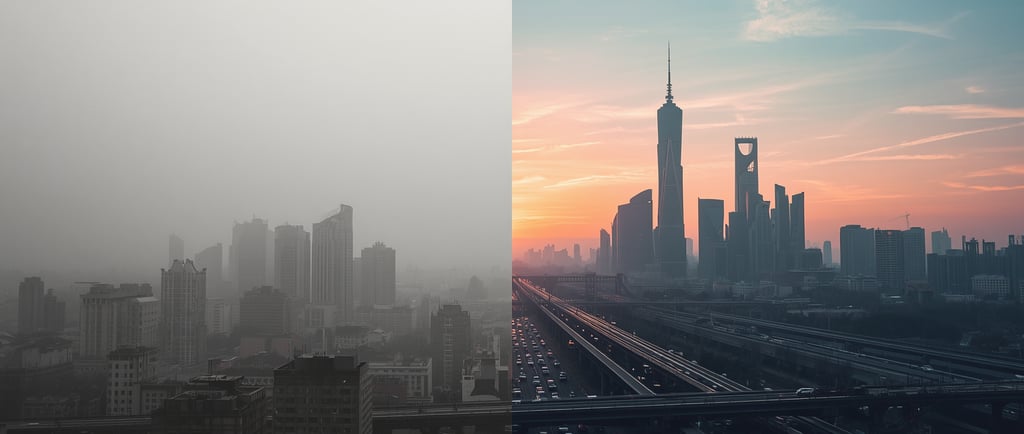
The reality, once I was actually living it, looked pretty different.

Modern infrastructure is almost everywhere. Tianjin, like most of the cities foreign teachers end up in, is far more developed and modern day-to-day than outside impressions of China usually suggest.

Public transportation was easier than I expected. Between the metro system and ride-hailing apps, getting around turned out to be one of the more straightforward parts of settling in, not one of the hardest.

Mobile apps have simplified almost everything. Once WeChat and the related payment and delivery apps were set up, an enormous amount of daily friction disappeared, ordering food, paying for things, navigating, and communicating with people who didn't speak English.

People were genuinely willing to help, language barrier or not. Despite the language difference, I found people consistently patient and willing to help figure things out, often going out of their way for someone who clearly didn't know what they were doing yet.

The city felt more international and organized than I'd pictured. It wasn't the chaotic, hard-to-navigate place I'd half expected. It felt, in a lot of practical ways, more organized than cities I'd lived in back home.

The Real Lesson Wasn't About China, It Was About Secondhand Information

One of the biggest surprises wasn't any single item on that list. It was realizing how much of what I thought I knew about China came from secondhand information rather than anything I'd actually experienced myself. The reality on the ground was, in a lot of cases, very different from the picture I'd built up beforehand.

Adapting to a new country always comes with real challenges, and I'm not pretending otherwise. But Tianjin made it clear, fairly quickly, that assumption and reality are rarely the same thing, and that's worth remembering before you let secondhand impressions talk you out of, or into, a decision like this.

That first week reshaped how I thought not just about China, but about the value of actually experiencing a place yourself before drawing any conclusions about it.

If You're Still Forming Your Own Assumptions

If you're currently in the stage of trying to figure out what life as a foreign teacher in China is actually like, separating the secondhand stories from the on-the-ground reality, that gap is exactly what I try to close in Teaching in China: The Complete Insider Guide, and in the free First 24 Hours in China guide if you want the practical arrival logistics specifically.

If you've moved abroad yourself, what was the biggest difference between what you expected and what you actually found when you arrived?