
How Much Can You Actually Save Teaching in China? | Salaries & Savings Guide
Foreign teacher salaries in China look good on paper — but what do they actually save teaching in China? This post breaks down real salary ranges, monthly living costs, and take-home savings potential across Tier 1 and Tier 2 cities, based on seven years of ground-level experience in Tianjin.
SALARIES & COST OF LIVING
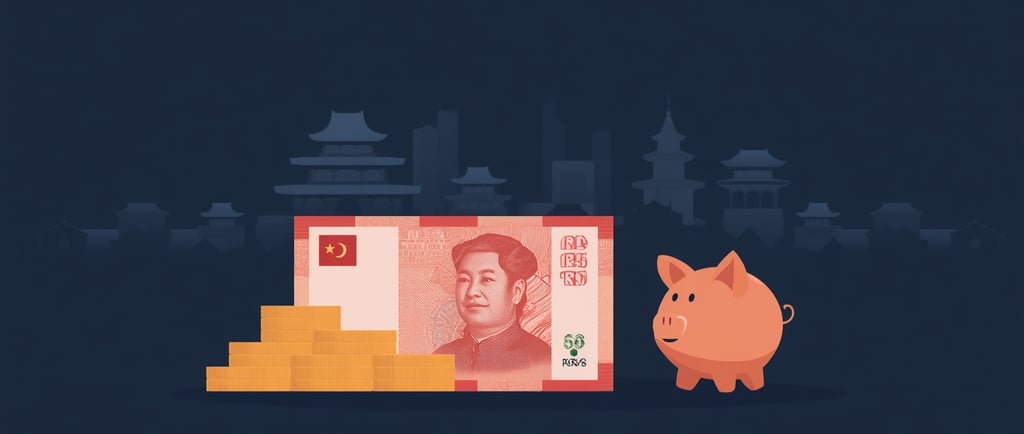
How Much Can You Actually Save Teaching in China?
Every foreign teacher asks the same question before they book their flight: "Can I actually save money doing this, or is it just a fun way to break even?"
Short answer: yes, you can save — often more than you would in your home country on a similar entry-level salary. But the number depends heavily on three things: your city, your spending habits, and whether your school covers housing. Let's break it down with real numbers, not recruiter marketing.
The Baseline: What Teachers Actually Earn
Monthly salaries for foreign teachers in China typically fall into a few bands:
Tier 1 cities (Beijing, Shanghai, Shenzhen, Guangzhou): 15,000–25,000 RMB/month
Tier 2 cities (Tianjin, Chengdu, Xi'an, Hangzhou, Nanjing): 12,000–20,000 RMB/month
Tier 3 cities and smaller towns: 8,000–15,000 RMB/month
International schools and training centers with strong reputations sit at the higher end of these ranges, and a Master's degree, teaching license, or several years of experience will push your offer up further.
On top of base salary, most contracts include:
Housing allowance or provided housing (often 2,000–5,000 RMB/month value)
Flight reimbursement (usually annual, round-trip)
Health insurance
Paid public holidays and a winter/summer break
That housing piece matters more than people realize — it's the single biggest lever on your real savings rate, because rent is most people's largest monthly expense.
The Real Cost of Living
Here's where China surprises people. Day-to-day costs in most cities are dramatically lower than in the US, UK, Canada, or Australia — even in a place like Tianjin, a city of over 13 million people.
Rough monthly costs for a single foreign teacher living comfortably (not lavishly) in a Tier 2 city:
Rent (if not covered): 2,500–4,500 RMB for a decent one-bedroom
Food: 1,500–2,500 RMB if you mix local meals with some Western food and cooking at home
Transport: 200–400 RMB (subways and buses are extremely cheap)
Utilities and phone plan: 300–500 RMB
Entertainment and going out: 1,000–2,000 RMB, depending on lifestyle
Add it up, and a comfortable monthly budget in a Tier 2 city lands around 6,000–9,000 RMB — even before any housing allowance kicks in.
So What Does Saving Actually Look Like?
Take a realistic Tier 2 city scenario: 15,000 RMB salary, housing covered by the school.
Salary: 15,000 RMB
Living costs (no rent): ~5,000–6,500 RMB
Potential monthly savings: 8,500–10,000 RMB
That's roughly $1,150–$1,400 USD saved per month, or $14,000–$17,000 USD per year — for a job that requires no prior teaching experience beyond a TEFL/TESOL certificate and a bachelor's degree at most schools.
In a Tier 1 city, salaries are higher, but so are costs — Shanghai rent alone can eat 4,000–7,000 RMB if not covered. Net savings often end up similar to Tier 2 cities, sometimes even lower once you factor in the higher cost of socializing and eating out in a bigger city.
Smaller cities can actually produce the highest savings rate on paper, since costs drop faster than salaries do — but the tradeoff is fewer international amenities, smaller expat communities, and sometimes less school quality control. That's a lifestyle decision, not just a financial one.
The Variables That Actually Move the Needle
1. Housing coverage. A school that provides an apartment (not just an allowance) can add the equivalent of 3,000–5,000 RMB/month straight into your savings.
2. Private tutoring. Many teachers legally supplement income with private students (contract and visa terms permitting) at 200–400 RMB/hour. Even 4–6 hours a week adds meaningfully to your annual total.
3. Your own spending discipline. The teachers who save the most aren't necessarily earning the most — they're the ones who cook at home most nights, use local transport, and treat imported Western goods and frequent Western dining as occasional treats rather than defaults.
4. Currency and remittance timing. RMB-to-home-currency exchange rates shift. If you're sending money home regularly, keeping an eye on rates (and using a service like Wise rather than a traditional bank) can meaningfully affect what actually lands in your account back home.
What This Isn't
This isn't financial advice, and I'm not a financial advisor. These numbers come from seven years of living and working in Tianjin and conversations with dozens of teachers across other cities — they're ground-level estimates, not guarantees. Your actual savings will depend on your specific contract, your city, your lifestyle, and decisions only you can make about your own finances.
Bottom Line
For a single foreign teacher with no dependents, saving $1,000–$1,500 USD a month is a realistic target in most Tier 2 Chinese cities with a standard international school or training center contract — without an extreme budget lifestyle. That's a savings rate most entry-level jobs back home simply can't match, especially when you factor in that many schools also throw in free housing and flights.
The number isn't magic. It's math: decent salary, low cost of living, and housing coverage stacked together. Get those three right when you evaluate an offer, and the savings take care of themselves.
Want help applying this to your specific situation?
I offer one-on-one coaching on exactly this kind of decision — contracts,,negotiation, and what comes next in your career here. See how it works → https://joenogueira.com/coaching